


Как Tuatara укрепляет культуру и признание в удалённой команде
Tuatara превратила признание в ежедневную привычку, которая помогает удалённым коллегам чувствовать себя замеченными, ценными и связанными

Tuatara — бутиковое агентство цифровой трансформации из Колумбии
На протяжении 10 лет Tuatara помогает международным компаниям выстраивать более сильную цифровую среду: от стратегии и брендинга до разработки.
~20
Цифровая трансформация
Колумбия
Remote-first
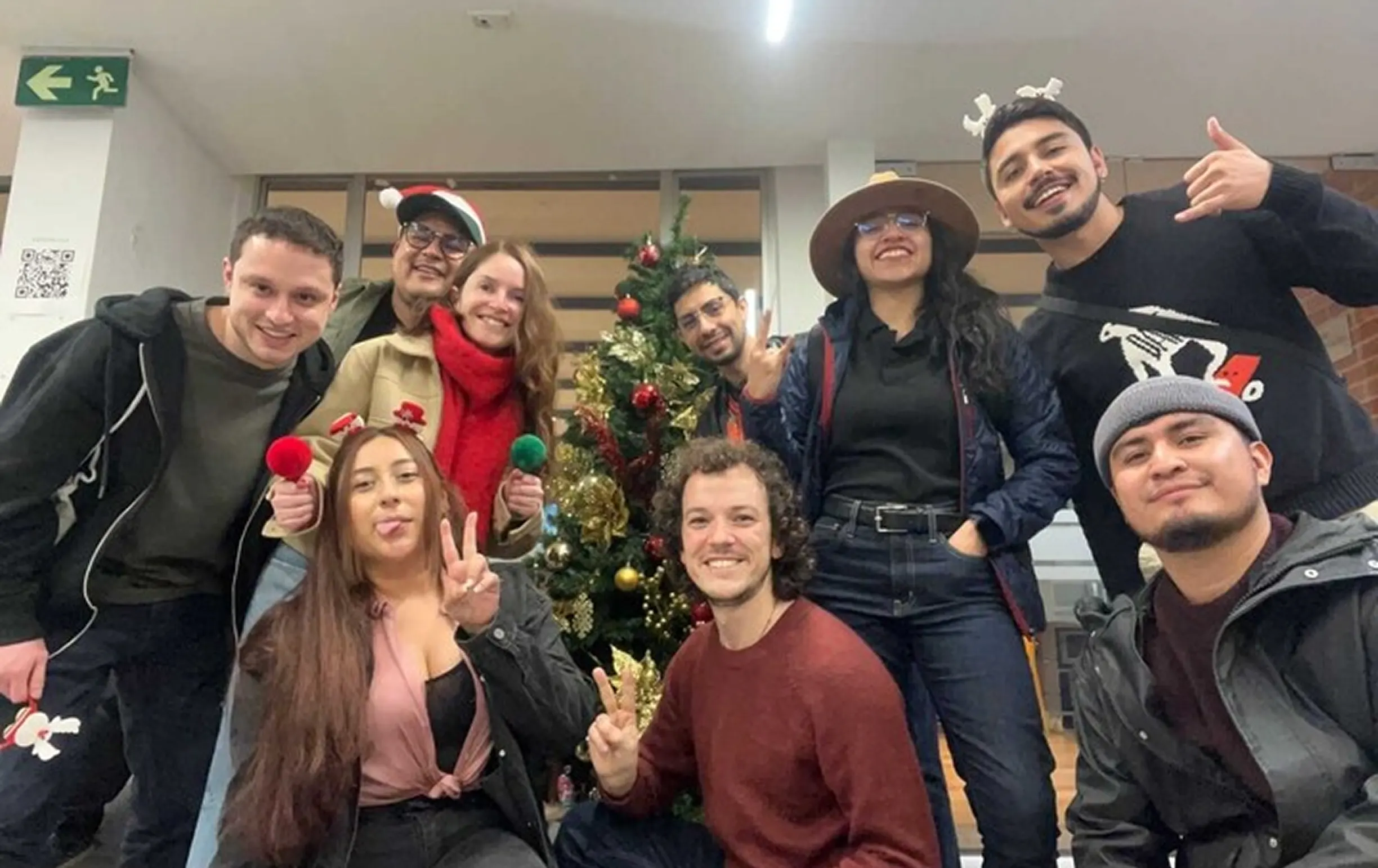
Десять лет на рынке, шесть — с Karma
Tuatara — бутиковое агентство из Колумбии, которое помогает международным и крупным компаниям проходить цифровую трансформацию бизнеса. Команда поддерживает клиентов в маркетинге, продажах, брендинге и технологиях, создавая цельные цифровые среды, где сочетаются стратегия, креатив и разработка. Tuatara работает на рынке десять лет, и шесть из них рядом была Karma.
Сегодня Karma стала частью повседневного ритма Tuatara — настолько, что, как говорит Фабрицио Гонсалес, CEO Tuatara, «с Karma мы прожили уже дольше, чем без неё».
Задача: сохранить культуру при переходе на полную удалёнку
Как и многие современные агентства, Tuatara после 2020 года перешла на полностью удалённый формат. Гибкость это дало, но появилась и новая задача: как сохранить культуру живой, когда люди не находятся в одном пространстве.
Фабрицио описывает ситуацию прямо: «Сейчас мы работаем полностью онлайн. С пандемии 2020 года мы полностью онлайн-агентство». И хотя операционно удалёнка работала хорошо, он отмечает, что стало сложнее: «Один из самых больших вызовов этого цифрового способа работы — культура и то, как она продолжает существовать, когда все сидят по домам».
Именно тогда признание стало не просто приятным жестом. Оно превратилось в систему, которая была нужна Tuatara, чтобы люди оставались связанными, ценными и объединёнными общими целями — независимо от того, из какого города они работают.
Знакомство с Karma: инструмент внутри Slack, который сразу подошёл
Slack уже был центром общения в Tuatara, поэтому Фабрицио подошёл к задаче практично. Он начал изучать приложения внутри Slack, которые могли бы улучшить опыт команды, особенно в части людей и культуры.
Karma сразу выделилась тем, как она выглядит, как ощущается и насколько ясно говорит с пользователем. Фабрицио вспоминает: «Я увидел Karma и ещё один инструмент. И сделал очень быстрое сравнение, просто чтобы понять, что мы будем использовать в долгую. Второй инструмент я даже не попробовал!» Он объясняет, почему решение далось так быстро: «Думаю, главным аргументом был бренд Karma. Мне очень понравилось, как бренд говорит с аудиторией, и лендинг очень приятный. Отличный интерфейс, иллюстрации и всё остальное».
Для Tuatara качество бренда — не поверхностная вещь: это признак того, насколько серьёзно компания относится к своему продукту и пользователям. Фабрицио формулирует так: «Я понял, что компании живут столько, сколько влияет их бренд, и у Karma это получилось действительно хорошо».

Я понял, что компании живут столько, сколько влияет их бренд, и у Karma это получилось действительно хорошо.

Как признание стало ежедневной культурной привычкой
В Tuatara культура — не абстрактное заявление, а то, что команда практикует каждый день. Внутреннюю философию Фабрицио называет мутуализмом: способ работы, построенный на прозрачности, эмпатии и признании.
Karma стала естественным продолжением этого подхода. «Такие программы очень помогают нам развивать культурные активы компании, — объясняет Фабрицио. — Мы компания от людей к людям, поэтому у нас очень прозрачный подход: мы признаём свои ограничения, ограничения других, а также их успехи».
Для Tuatara Karma — не формальная HR-программа. Это ежедневный человеческий способ сказать: тебя заметили. «Karma приходит как поддержка добрых отношений, хорошей философии и самой причины существования компании — помогает сказать другому: „Эй, я признаю тебя, я тебя вижу, я увидел твои усилия, и это для тебя“, — говорит Фабрицио. — Поэтому мы её активно продвигаем внутри компании».
 25k+Начислено кармы
 480+Наград получено
 95%Активных пользователей
 240+Достижений получено
Простое внедрение, устойчивое использование
Запустить Karma было несложно — во многом потому, что не пришлось вводить отдельную платформу или менять процессы. Работа прямо внутри Slack оказалась решающей.
Даже небольшой порог входа — разобраться с командами — быстро стал частью онбординга. «Я помню, люди спрашивали: „Так, а какие команды вызывают Karma?“ — рассказывает Фабрицио. — Но сейчас это уже в нашем процессе онбординга. Когда приходит новый человек, всё это есть в онбординге: вот Slack, вот Karma, вот как она работает и что вы можете от неё получить».
Но сейчас это уже в нашем процессе онбординга. Когда приходит новый человек, всё это есть в онбординге: вот Slack, вот Karma, вот как она работает и что вы можете от неё получить.
Как команда стала ближе — за пределами проектов
В агентствах команды часто работают в тесных проектных группах, и это ненамеренно создаёт дистанцию между отделами и специалистами. Karma помогла Tuatara преодолеть этот разрыв, сделав признательность заметной для всей компании.
Фабрицио описывает перемену так: «Думаю, улучшение в том, насколько люди становятся ближе друг к другу, когда получают или дарят карму». До Karma признание существовало, но не было ни собранным в одном месте, ни регулярным. «Поздравление выглядело так: „Эй, могу купить тебе эмпанаду в знак благодарности, пойдём куда-нибудь“ или что-то подобное. Но такую информацию невозможно накапливать в долгую», — объясняет он. С Karma признание становится частью общего командного пространства и доходит даже до тех, с кем не работаешь каждый день.
Как сохранить в Karma смысл, а не превратить её в обмен
Со временем Tuatara научилась направлять признание так, чтобы оно оставалось искренним. Фабрицио замечал закономерности: команды копили карму к концу недели, а сообщения становились слишком общими. «У нас появилось то, что мы называем кармическим трафиком, — когда участники команды начинают торговать баллами кармы», — говорит он.
Он приводит пример, когда признание сконцентрировалось в одном недельном всплеске: «Помню, команда инженеров — тогда их было пятеро — не пользовалась кармой всю неделю. Они специально копили её к happy hour, встрече в конце недели, чтобы раздать карму своим же».
Чтобы Karma осталась полезной для всей организации, Фабрицио ввёл простое правило: у признания должен быть контекст. «В какой-то момент мне пришлось вмешаться, потому что смысл использования Karma тоже определён: в сообщении должен быть проект, задача, глагол — что именно человек сделал хорошо», — объясняет он. Так признание становится не просто приятным, но и информативным.
Что касается продуктивности, Фабрицио осторожен и не преувеличивает влияние Karma. «Не думаю, что между продуктивностью и Karma есть прямая связь», — говорит он. Но эмоциональный эффект он признаёт: «Думаю, это больше про эмоции, про чувства, которые возникают при выполнении задачи. Когда я знаю, что получу карму, я, возможно, сделаю её чуть лучше».
Я бы сказал, что Karma — отличная платформа, которая помогает передать немного больше души вашей компании и её культуры.
Магазин наград, которым действительно пользуются
Для Tuatara одна из главных причин, почему Karma остаётся активной год за годом, — она ведёт к ощутимым наградам, которые команда действительно хочет получить. Фабрицио объясняет логику просто: «Karma даёт прямые выгоды, которые можно потрогать».
Награды варьируются от забавных до практичных и подобраны под реальные предпочтения команды. Об одной из любимых Фабрицио говорит со смехом: «Самая популярная, думаю, — пицца, одобренная Черепашками-ниндзя». Другие награды отражают то, что удалённые сотрудники ценят больше всего: время, поддержку и гибкость. «Полдня свободных или целый день? Без работы, без вопросов», — говорит Фабрицио. У некоторых наград эффект долгосрочный. «А самая популярная — это повышение зарплаты почти на 20 долларов в месяц, — объясняет он. — За год выходит примерно 500 долларов прибавки». Tuatara также использует групповые награды, чтобы создавать общий импульс. «Сейчас мы все копим на выходной в парке под названием Makute», — говорит Фабрицио.
Почему Фабрицио рекомендует Karma
Для Tuatara Karma — не про геймификацию или соревнование. Она про то, чтобы укреплять душу компании и сохранять связь между людьми в распределённой среде.
Как говорит Фабрицио, «я бы сказал, что Karma — отличная платформа, которая помогает передать немного больше души вашей компании и её культуры». И в мире, где удалённая работа способна создавать дистанцию, он видит обратный эффект: «Думаю, технология Karma сближает команды и людей в них. Считаю, это хороший актив и хорошая ценность за то, чем она может помочь».
Больше об опыте Tuatara с Karma можно узнать здесь.
Другие истории

Karma в действии: путь Whale к более сильной культуре признания
Как чат-бот стал сердцем вовлечённости сотрудников

Документация

Как Acro Commerce укрепила культуру удалённой команды с Karma
Как поддерживать мотивацию удалённых команд с помощью простого признания и обратной связи
Электронная коммерция
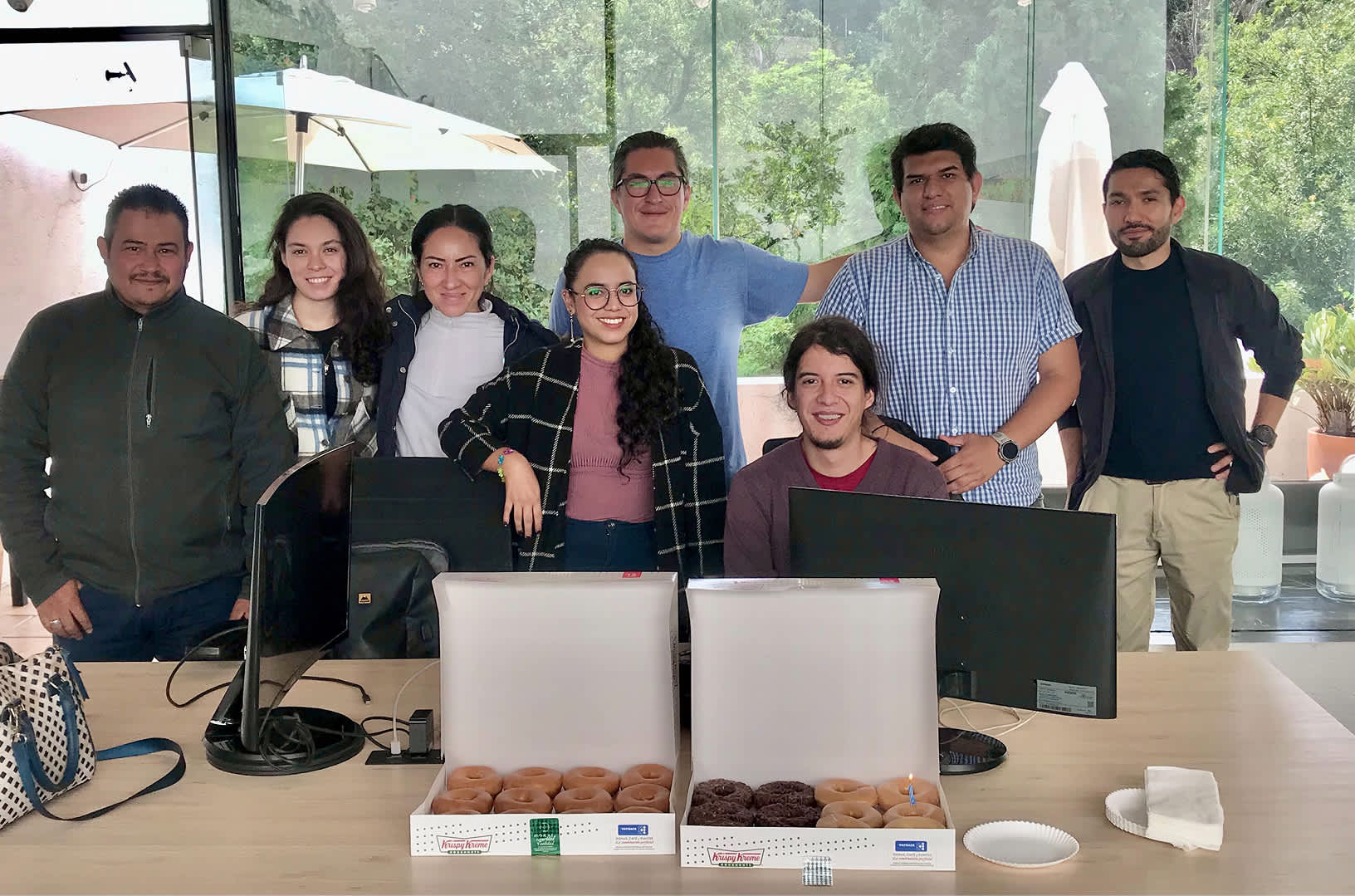
Как Karma укрепила связи в команде: история успеха Lexema
Как усилить признание и вовлечённость команды в гибридном офисе
Маркетинг
Ready to get started?
If you're ready to get started with Karma, sign up now and explore the benefits of the recognition for your team.
 Karma for Web
 Karma for Slack
 Karma for MS Teams
 Karma for Telegram
Политика конфиденциальности Karma
Effective date: 18 August 2026
This Privacy Policy explains how Sliday LTD ("Sliday", "we", "us", or "our") collects, uses, shares, and protects personal data. It covers both the Karma application (for Microsoft Teams, Slack, Telegram, and the web) and the https://karmabot.chat website.
Who we are and how to contact us
The data controller is Sliday LTD, a private limited company registered in Cyprus under company number HE450506, with its principal place of business at Pavlou Valdaseridi 2A, 1st floor, Larnaka, Cyprus, 6018.
For any privacy-related enquiry, or to exercise your data protection rights, contact us at hi@karmabot.chat.
Privacy matters are overseen by our Legal Advisor / Operational Security Manager, Stas Kulesh. A dedicated Data Protection Officer has not been appointed, as Sliday LTD is not required to appoint one under Article 37 of the GDPR; privacy responsibilities are held by the Legal Advisor.
Personal data we handle and where it comes from
From the Karma application
When your organisation installs and uses Karma, we process the following personal data, obtained from Microsoft Teams / Microsoft Entra ID (Azure AD) and from your use of the application:
- Display name — from Microsoft Teams / Microsoft Graph
- Email address — from Microsoft Teams / Microsoft Graph
- User Principal Name (UPN) — from Microsoft Graph (
/me) - Microsoft Entra (Azure AD) object ID and tenant ID — from Microsoft authentication
- Profile photo — from Microsoft Graph (
/me/photo) - Team and channel names — from Microsoft Teams
- Karma activity (karma given and received, associated messages) — from your use of the app
Where Karma is used with Slack or Telegram, the equivalent identity and workspace data is obtained from that platform instead.
From this website
- Contact details you give us — such as your email address and name when you subscribe to updates, request a demo, or contact support
- Usage and device data — IP address, browser type and version, pages visited, date, time and duration of visit, referring page, and similar diagnostic data
- Cookies and similar technologies — see "Cookies and website analytics" below
Why we process personal data
We process personal data to:
- Identify you and link you to your organisation's Karma workspace
- Operate the core recognition ("karma") features, leaderboards, and adaptive cards
- Display your name and profile photo within the app
- Deliver notifications and service communications
- Administer subscriptions and billing
- Provide customer support and respond to your enquiries
- Monitor, secure, maintain, and improve the service, and detect and address technical issues
- Send newsletters, marketing, or promotional material where you have chosen to receive it — you can opt out at any time via the unsubscribe link in any email, or by contacting us
Lawful basis for processing
We process personal data on the following lawful bases under the GDPR:
- Performance of a contract — to provide the Karma service to your organisation
- Legitimate interests — to operate, secure, and improve the service, where not overridden by your rights
- Consent — for marketing communications and for non-essential cookies and analytics, where consent is required
- Legal obligation — where we are required by law to retain or disclose data, including for tax and accounting purposes
Where your organisation is the controller and we act as processor, processing is carried out on your organisation's documented instructions.
Who we share personal data with
We share personal data only with the sub-processors listed below, each of which is necessary to deliver the service and is engaged under an appropriate data processing agreement. This is the complete list of sub-processors with access to personal data. We do not sell personal data.
Service sub-processors
- DigitalOcean — application hosting and managed database
- Amazon Web Services (AWS) — profile photo storage (S3)
- Cloudflare — edge delivery and web application firewall
- Microsoft — authentication, the Teams platform, and Microsoft Graph
- Stripe — subscription billing and payment processing
- Sentry — error monitoring
- MailerLite — notification and marketing email delivery
We do not store or collect your payment card details. That information is provided directly to Stripe, our payment processor, whose use of your personal information is governed by its own privacy policy (https://stripe.com/privacy). Stripe adheres to the standards set by PCI-DSS as managed by the PCI Security Standards Council.
Website analytics and marketing providers
The https://karmabot.chat website additionally uses:
- Google — Google Analytics 4 and Google Tag Manager, for website traffic analytics (https://policies.google.com/privacy)
- Meta (Facebook) — Meta Pixel, for advertising measurement (https://www.facebook.com/privacy/policy/)
- Ahrefs Web Analytics — privacy-focused website traffic analytics (https://ahrefs.com/legal/privacy-policy)
- ProfitWell (Paddle) — subscription and revenue analytics (https://www.paddle.com/legal/privacy)
- MailerLite — newsletter sign-up forms (https://www.mailerlite.com/legal/privacy-policy)
- Calendly — demo and meeting scheduling (https://calendly.com/legal/privacy-notice)
We may also disclose personal data where required to do so by law or in response to a valid request by a public authority, or where necessary to protect our legal rights, prevent or investigate wrongdoing, or protect the safety of users or the public.
Cookies and website analytics
Cookies are small pieces of data stored on your device. We use cookies and similar technologies (including beacons, tags, and scripts) to operate the website, remember your preferences, keep the service secure, and understand how the site is used.
The cookies we use fall into these categories:
- Essential cookies — required to operate the website and keep it secure
- Preference cookies — to remember your settings and choices
- Analytics and marketing cookies — set by the providers listed above to measure traffic and advertising performance
You can instruct your browser to refuse all cookies or to notify you when a cookie is set. If you refuse cookies, some parts of the website may not function correctly.
We do not currently respond to browser "Do Not Track" (DNT) signals.
How long we keep personal data
We retain personal data for the duration of your organisation's active subscription and for six (6) months after subscription cancellation, after which it is deleted. This applies to customer account and identity data, profile photos, and karma transaction records.
- Database backups operate on a rolling 7-day point-in-time recovery window, so any backup containing erased data is automatically superseded within 7 days.
- Upon a verified data deletion request, we action it as promptly as reasonably possible and in any event within one month, as required by the GDPR.
- Billing and accounting records may be retained for longer where required by law.
- Operational data — error telemetry, security logs, and backups — is disposed of automatically as it ages out of the relevant service's retention window.
Full details are set out in our Data Retention and Disposal Policy.
Your data protection rights
Subject to applicable law, you have the right to:
- Be informed about how your personal data is used
- Access the personal data we hold about you
- Rectification — to have inaccurate or incomplete data corrected
- Erasure — to have your personal data deleted
- Restriction — to request that we restrict processing of your personal data
- Data portability — to receive your data in a structured, commonly used, machine-readable format
- Object to our processing of your personal data
- Rights relating to automated decision-making and profiling — Karma does not carry out automated decision-making producing legal or similarly significant effects
- Withdraw consent at any time, where we rely on your consent
To exercise any of these rights, contact us at hi@karmabot.chat. We may ask you to verify your identity before responding.
Making a Subject Access Request (SAR)
To submit a Subject Access Request, contact us at hi@karmabot.chat. We respond to all SARs within one month, as required by the GDPR, unless the request is complex or numerous, in which case we may extend the response time by a further two months and will tell you if we do. We maintain a data mapping process that lets us locate and retrieve all personal data held about a specific data subject across our systems — principally the production database and the profile photo object storage — so that a SAR can be fulfilled thoroughly.
International transfers and safeguards
Karma production data is hosted in the United States (DigitalOcean SFO region). As Sliday LTD is established in the EU (Cyprus), this involves a transfer of personal data to a third country.
Such transfers — and transfers to other sub-processors located outside the EU/EEA, including Microsoft, AWS, Cloudflare, Stripe, Sentry, and the analytics providers listed above — are protected by appropriate safeguards, principally the Standard Contractual Clauses (SCCs) incorporated into each sub-processor's Data Processing Agreement, supplemented by those providers' certification frameworks, including the EU–US Data Privacy Framework where the provider participates.
Sliday LTD takes all steps reasonably necessary to ensure that your data is treated securely and in accordance with this Privacy Policy.
Your right to complain to a supervisory authority
You have the right to lodge a complaint with a data protection supervisory authority.
Our lead supervisory authority is the Office of the Commissioner for Personal Data Protection of the Republic of Cyprus:
- Commissioner for Personal Data Protection
- 1 Iasonos Street, 1082 Nicosia, Cyprus
- Email: commissioner@dataprotection.gov.cy
- Web: https://www.dataprotection.gov.cy
You may also lodge a complaint with the supervisory authority in your own country of residence.
Security of data
The security of your data is important to us. We apply technical and organisational measures appropriate to the risk, including encryption in transit, access controls, vulnerability scanning, and error monitoring. However, no method of transmission over the internet or method of electronic storage is completely secure, and we cannot guarantee absolute security.
Children's privacy
Our service is not directed at anyone under the age of 18. We do not knowingly collect personal data from children. If you are a parent or guardian and believe your child has provided us with personal data, please contact us and we will take steps to remove it.
Links to other sites
Our service may contain links to sites we do not operate. We have no control over, and assume no responsibility for, the content or privacy practices of any third-party site. We encourage you to review the privacy policy of every site you visit.
Changes to this Privacy Policy
We may update this Privacy Policy from time to time. We will post the updated policy on this page and update the effective date at the top. Where changes are significant, we will notify you by email and/or a prominent notice on our service before the change takes effect. We encourage you to review this policy periodically.
Contact us
If you have any questions about this Privacy Policy, contact us:
- By email: hi@karmabot.chat
- By post: Sliday LTD, Pavlou Valdaseridi 2A, 1st floor, Larnaka, Cyprus, 6018