


How Tuatara Strengthens Culture and Recognition in a Remote Team
Tuatara Turned Recognition Into a Daily Habit That Helps Remote Teammates Feel Seen, Valued, and Connected

Tuatara is a boutique digital transformation agency from Colombia
For 10 years, Tuatara helped multinational companies build stronger digital environments across strategy, branding, and software.
~20
Digital Transformation
Colombia
Remote-first
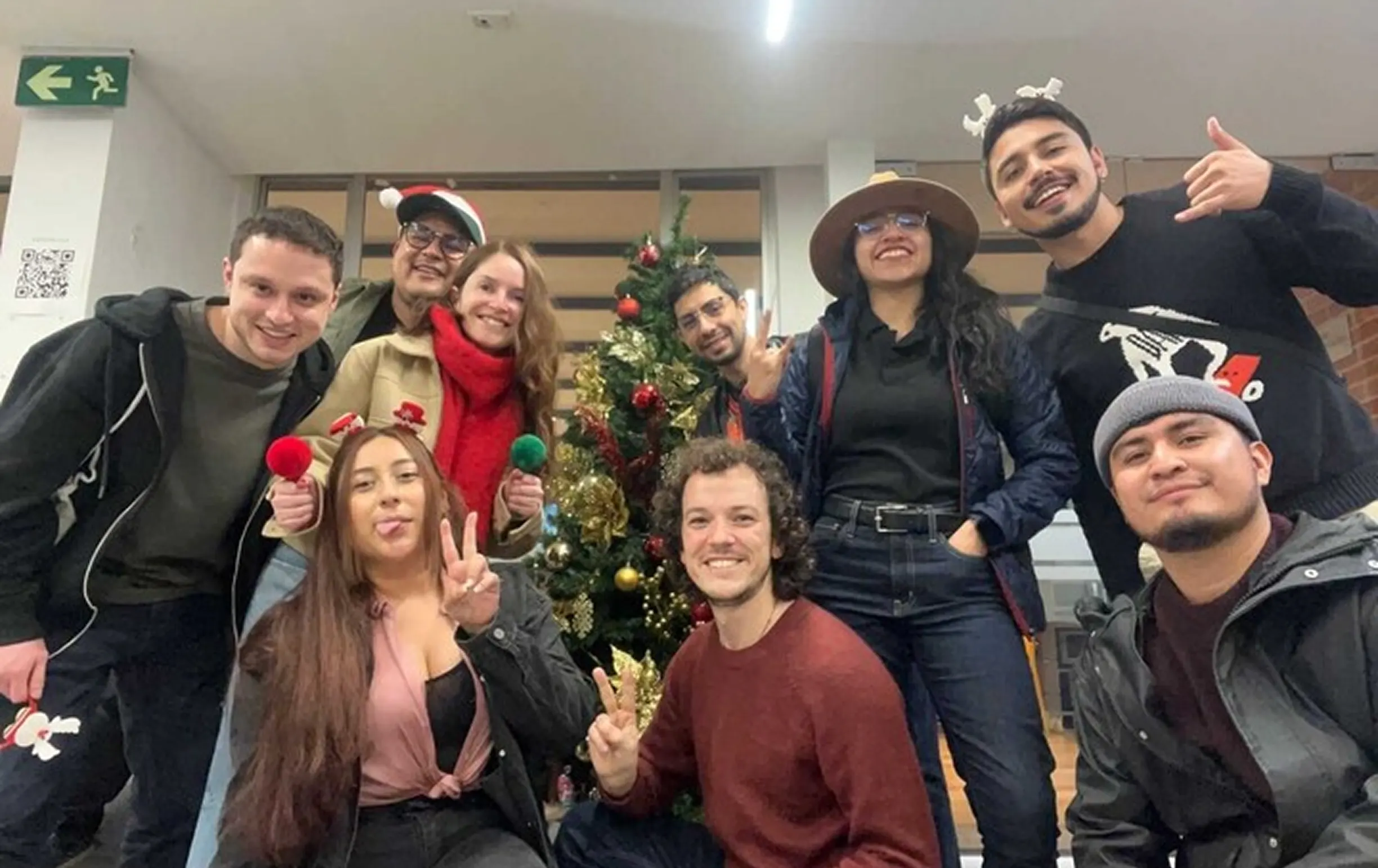
A decade in business, six years with Karma
Tuatara is a boutique agency from Colombia that helps multinationals and large companies navigate digital business transformation. The team supports clients across marketing, sales, branding, and technology, delivering full digital environments that combine strategy, creative, and software. Tuatara has been in the market for ten years, and Karma has been part of that journey for six of them.
Today, Karma has become part of Tuatara’s everyday rhythm—so much so that, as Fabrizio González, CEO of Tautara puts it, “it’s been longer time with Karma than without Karma right now.”
The challenge: protecting culture when the team went fully remote
Like many modern agencies, Tuatara shifted to fully remote work after 2020. While the move offered flexibility, it also introduced a new challenge: keeping culture alive when people aren’t sharing the same space.
Fabrizio describes the reality clearly: “We do all work online right now. Since pandemic in the 2020 we are a full online agency.” And while remote work worked well operationally, he points out what became harder to maintain: “One of the biggest challenges that we get into this digital way of working is the culture and how the culture is still being around but with everyone in their houses.”
That’s where recognition became more than a nice gesture. It became a system Tuatara needed in order to keep people connected, appreciated, and aligned—no matter which city they were working from.
Discovering Karma: a Slack-native tool that felt right from the start
Slack was already the heart of communication at Tuatara, so Fabrizio took a practical approach. He started exploring apps inside Slack that could enhance the team experience, especially around people and culture.
What made Karma stand out immediately was how it looked, how it felt, and how clearly it communicated. Fabrizio recalls, “I saw Karma and I saw another tool. And I made a really quick benchmark just to understand which was going to be the one that we were going to adopt for long term. I didn't even try the other tool!” He explains why the decision was so fast: “I think that the main asset was the branding of Karma. I really liked how the brand is communicating and the landing page is really nice. It had really cool user interface and illustrations and stuff.”
For Tuatara, brand quality isn’t superficial — it’s a signal of how seriously a company takes its product and users. Fabrizio sums it up like this: “I understood that companies live as long as their brand impacts and that is something Karma made really good.”

I understood that companies live as long as their brand impacts and that is something Karma made really good.

Turning recognition into a daily cultural habit
At Tuatara, culture isn’t an abstract statement — it’s something the team actively practices. Fabrizio describes their internal philosophy as mutualism, a way of working built on transparency, empathy, and recognition.
Karma became a natural extension of that mindset. “These kind of software helps us a lot to drive the cultural assets of the company,” Fabrizio explains. “We are a company that is from humans to humans, so we have a really transparent approach and we recognize our limitations, the other's limitations, and also recognize their success.”
For Tuatara, Karma isn’t used as a formal HR program. It’s used as a daily, human way to say: you were seen. “So Karma comes as a support into the well and good relations, the good philosophy and the reason of the company to exist to help saying to the other ‘hey, I recognize you, I see you there, I saw your effort and this is for you’,” Fabrizio says. “So we promote it a lot inside the company.”
 25k+Karma points issued

 480+Rewards redeemed

 95%Active users

 240+Achievements received

Easy adoption, lasting usage
Rolling out Karma wasn’t difficult, largely because it didn’t require introducing a separate platform or changing workflows. That Slack-native experience was essential.
Even the small initial learning curve — understanding commands — quickly became part of onboarding. “I do remember that people was like ‘okay, what are the commands to trigger Karma’,” Fabrizio says. “But actually that's right now in our onboarding process. So when someone new gets here, it's in our onboarding process. This is Slack, this is Karma, this is how it works, and this is what actually you can get from it.”
But actually that's right now in our onboarding process. So when someone new gets here, it's in our onboarding process. This is Slack, this is Karma, this is how it works, and this is what actually you can get from it.
Building closeness across the team, beyond project boundaries
In agency environments, teams often work in tight project groups, which can unintentionally create distance between departments or specialists. Karma helped Tuatara bridge that gap by making appreciation visible across the entire company.
Fabrizio describes the shift: “I think that the improvement is the closer that people get to others when they receive or give Karma.” Before Karma, recognition existed, but it wasn’t centralized or consistent. “The congratulations was made like ‘hey, I can buy you an empanada to say thanks, let's go out or something like that.’ But you cannot capitalize information like that in long term,” he explains. With Karma, recognition becomes part of the shared team space, and it can reach people who aren’t constantly collaborating day-to-day.
Keeping Karma meaningful, not transactional
Over time, Tuatara also learned how to guide recognition so it stays genuine. Fabrizio noticed patterns like teams saving Karma for end-of-week moments and keeping messages too generic. “We get something that we call karma traffic and it is when team members used to traffic with karma points,” he says.
He recalls an example where recognition became concentrated into one weekly burst: “I remember that the engineers team, they were a team of five at that moment, didn't use the karma in all the week. So they expect to keep it to the happy hour moments, which is a meeting to close the week, to deliver their karmas to their own teams.”
To keep Karma useful for the whole organization, Fabrizio introduced a simple rule: recognition should include context. “At some point I had to intervene because the idea of using Karma is also defined and it has to have a project, a task, a verb of what you did good,” he explains. That way, recognition isn’t just positive — it becomes informative.
When it comes to productivity, Fabrizio is careful not to oversell the idea that Karma directly changes output. “I don't think that there is a direct line in productivity and Karma,” he says. But he does acknowledge a real emotional effect: “I think that it hits more of emotions, the feelings that I get when doing a task. When I know that I'm getting a karma, I might do it a little bit better.”
I would say that Karma is like a great platform to help you deliver a little bit more of the soul of your company and the culture.
A rewards store that actually gets used
For Tuatara, one of the strongest reasons Karma stays active year after year is that it leads to tangible rewards the team genuinely wants. Fabrizio explains the simple logic: “Karma gives you direct benefits you can touch.”
The rewards range from fun to practical, and they’re tailored to the team’s real preferences. Fabrizio laughs about one standout favorite: “The most popular one I would think is going to be the pizza approved by the Teenage Mutant Ninja Turtles.” Other rewards reflect what remote teammates value most: time, support, and flexibility. “Half day free or full day free? No job, no questions,” Fabrizio says. Some rewards even have longer-term impact. “And this is the most popular one that is salary raise for almost $20 monthly,” he explains. “Yearly is going to be like 500 USD of additions in the year.” Tuatara also uses group rewards to build shared momentum. “Right now all of us betting for a day off in a park which is called Makute,” Fabrizio says.
Why Fabrizio recommends Karma
For Tuatara, Karma is not about gamification or competition. It’s about strengthening the soul of the company and keeping people connected in a distributed environment.
As Fabrizio puts it, “I would say that Karma is like a great platform to help you deliver a little bit more of the soul of your company and the culture.” And in a world where remote work can create distance, he sees Karma doing the opposite: “I think that the technology in Karma is bringing together teams or team members. I think it's a good asset and a good value for the things that it could help.”
Discover more about Tuatara's experience with Karma here.
Other stories
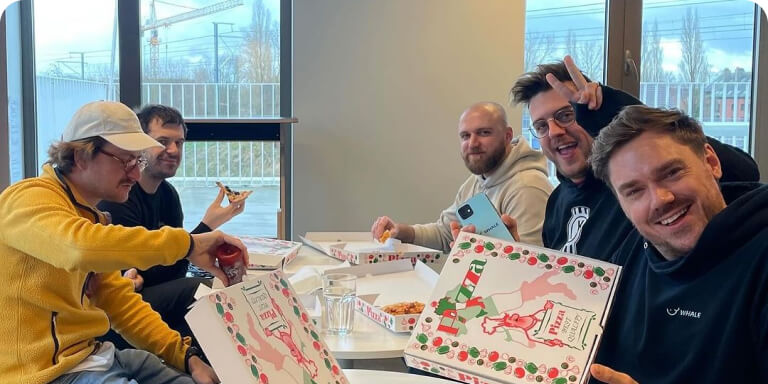
Karma in Action: Whale's Journey to Enhanced Team Recognition
How a Chatbot Became the Heartbeat of Employee Engagement

Documentation
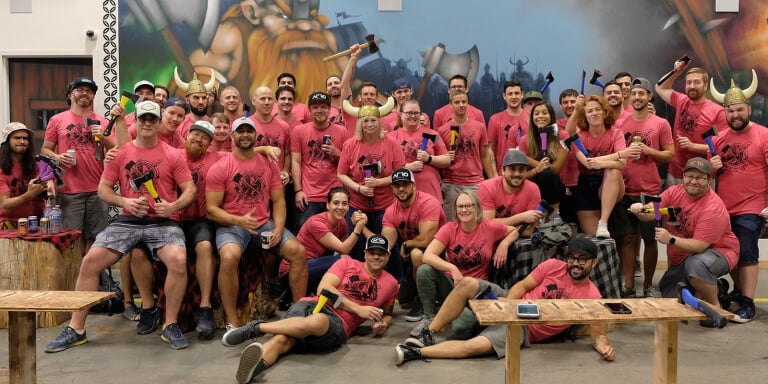
How Acro Commerce Strengthened Remote Team Culture with Karma
Keeping Remote Teams Motivated with Seamless Recognition and Feedback
E-Commerce
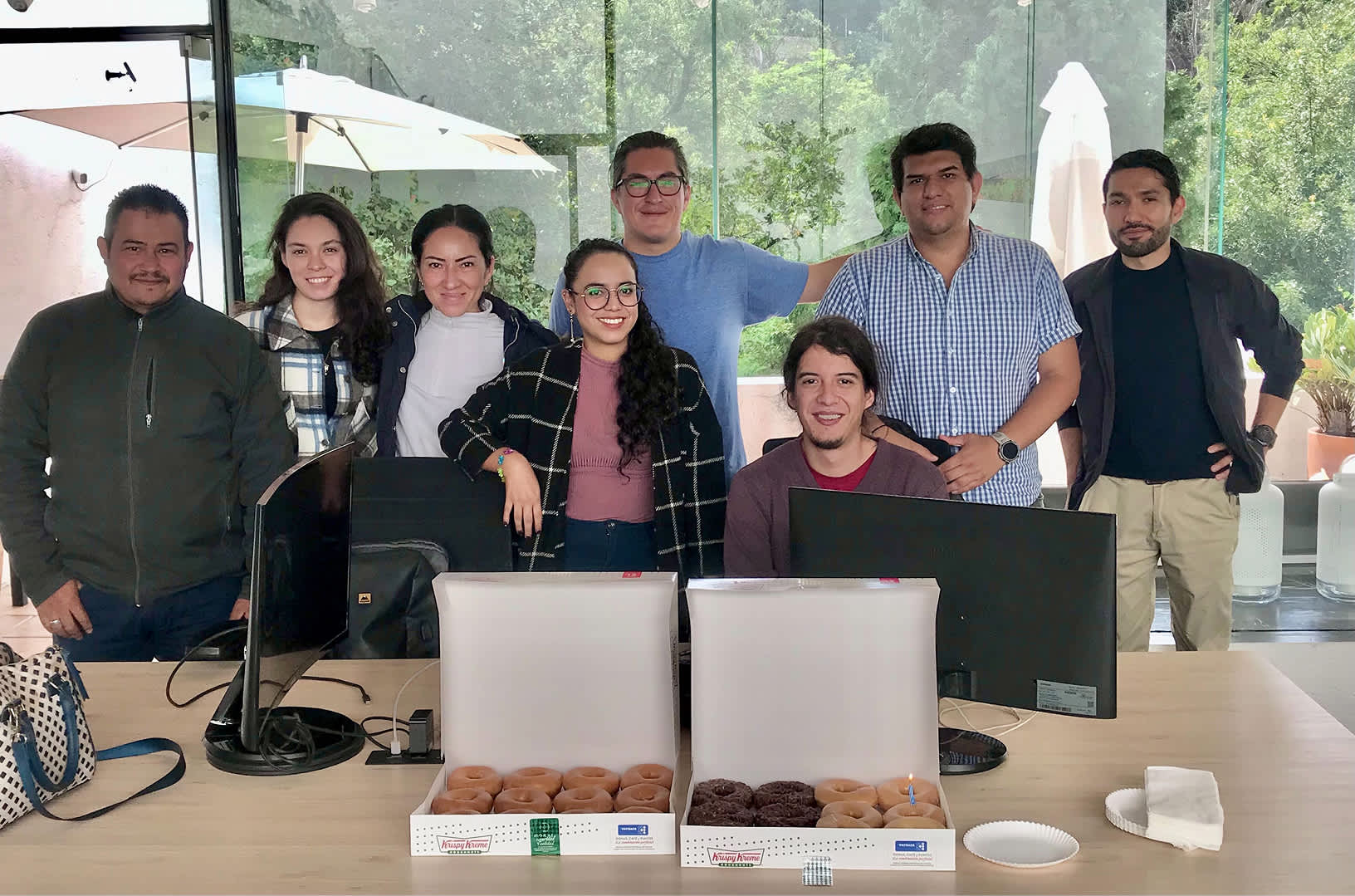
Strengthening Team Bonds with Karma: Lexema's Success Story
Enhancing Team Recognition and Engagement in a Hybrid Workplace
Marketing
Ready to get started?
If you're ready to get started with Karma, sign up now and explore the benefits of the recognition for your team.
 Karma for Web
 Karma for Slack
 Karma for MS Teams
 Karma for Telegram