


Peer-to-peer recognition your team will actually use
Give kudos, celebrate wins, and build an employee recognition program where everyone participates — not just managers. Karma works inside Slack and MS Teams, so recognition happens in the flow of work, every day.
Instant kudos in Slack & Teams
Linked to your company values
Real rewards, not just points
Recognition without a tool doesn't scale. Recognition without peers doesn't stick.
Most employee recognition programs fail because they rely on managers to initiate praise and employees to log into a separate platform. Karma flips both: peer-to-peer recognition happens in Slack or MS Teams through a simple @name++ command — no new app, no manager bottleneck, no friction. The result is positive feedback that's frequent, authentic, and tied to the work your team is actually doing.
One command. Public shoutout. Real points. Instant culture.
A single
@name++in any Slack channel does four things at once: sends a public recognition message, awards karma points, links to a company value, and notifies the recipient in real time. No form to fill, no separate login — just peer recognition in the flow of work.- Works in any public or private Slack channel — recognition is visible to the whole team
- Add a reason to make recognition specific and meaningful — "for the 3am deploy fix" hits harder than a blank point
- Emoji reactions can trigger automatic recognition — turn a 🙌 into karma points without typing a word
- Smart automation — set trigger words that automatically award points and reinforce your company values
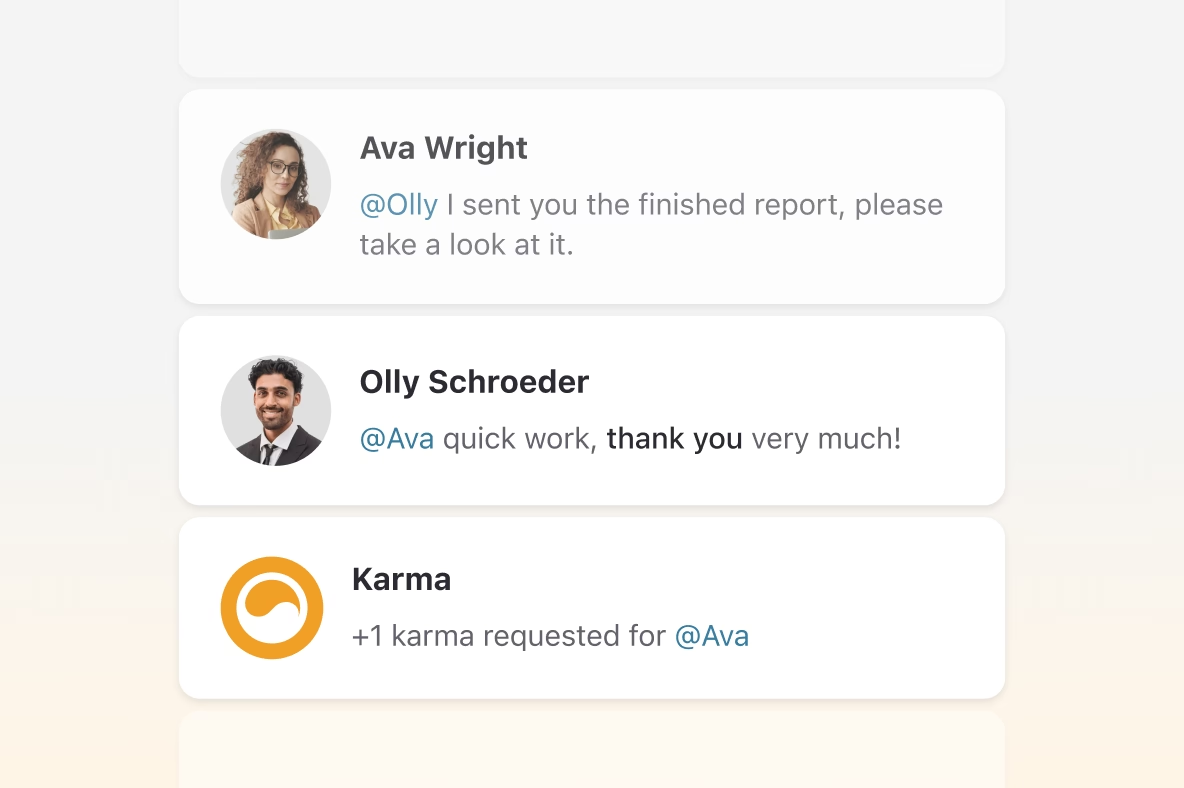
Great recognition is specific, public, and tied to what actually matters
Generic "good job" recognition fades. Recognition that names the exact contribution and links it to a company value builds culture. Karma makes this natural — every kudos includes a reason and a value tag, so your team understands what is being celebrated and why it matters.
- Custom badges for specific achievements — "shipped under pressure", "onboarding hero", "client champion"
- Peer feedback examples surface automatically in monthly culture reports — visibility for managers without pestering
- Group recognition lets whole teams give kudos together — perfect for project completions and product launches

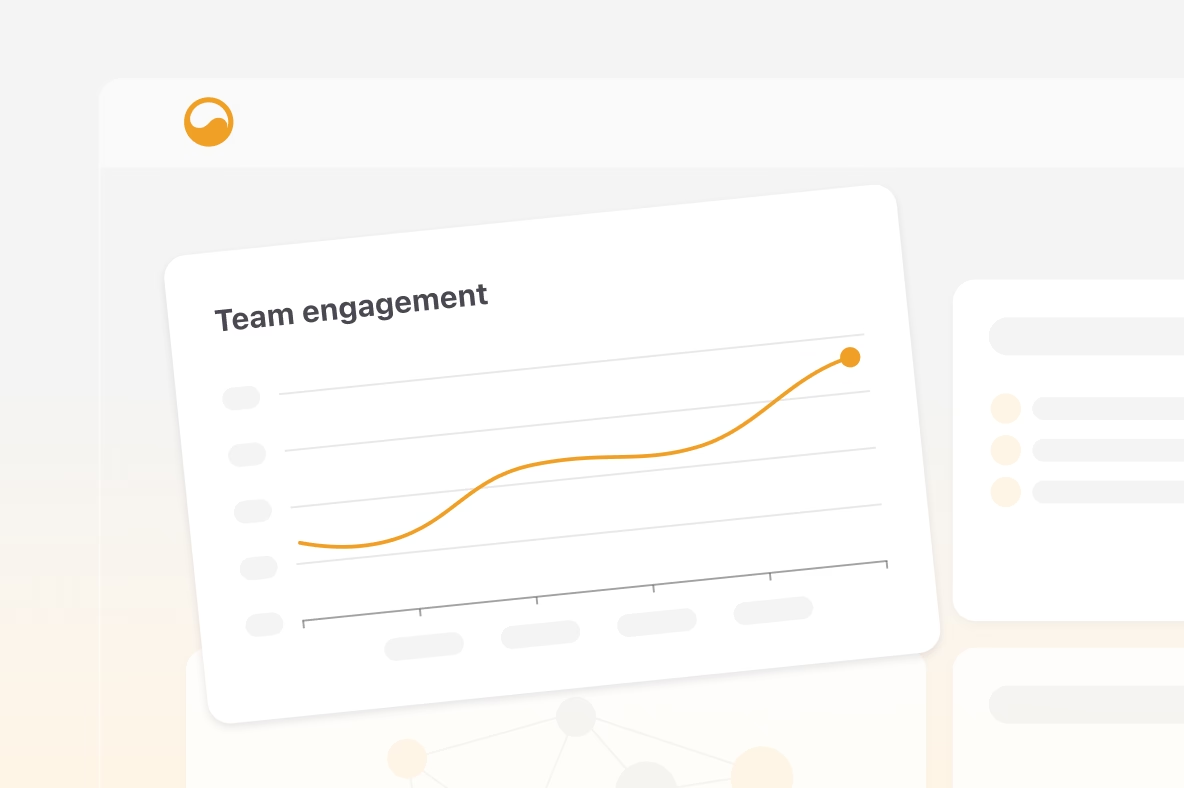
Every kudos builds a picture of your team's culture — in real time
Peer recognition isn't just good for morale — it's data. Every
@name++in Karma feeds your culture analytics dashboard, showing which values your team lives by, who's giving and receiving recognition, and where connections are strong or missing. It's the employee appreciation layer that turns feelings into facts.- Values adoption chart — see which company values are actually driving recognition this month
- Connectivity map — identify who's isolated and who's thriving before it shows up in attrition
- Export recognition logs to CSV/Excel for custom HR analytics or quarterly people reviews
- AI-powered executive summary — C-level culture report generated automatically, no manual compilation
Resources
View all- How to Replace “Watercooler Praise” in Remote Teams
“Watercooler praise” — those spontaneous, informal moments of recognition in an office — tends to disappear in remote teams. No quick “nice job” in the hallway, no overheard compliments, no shared energy after a meeting. The result isn’t just quieter communication — it can lead to lower morale, reduced engagement, and people feeling invisible.
May 05, 2026 · 4 mins read
- Teaching New Managers the Language of Appreciation
New managers often step into their roles equipped with technical expertise, operational knowledge, and a drive to perform. But one of the most overlooked — and most impactful — skills they need to develop is the ability to express meaningful appreciation.
Apr 13, 2026 · 4 mins read
- Why Middle Managers Are Your Recognition Superpower
Middle managers get a terrible reputation. They’re the butt of corporate jokes, the “unnecessary layer” that flat-organization evangelists want to eliminate, the people stuck between executive vision and ground-level reality.
Mar 13, 2026 · 6 mins read
Frequently asked questions
What is peer-to-peer recognition?
Peer-to-peer recognition is when employees acknowledge and appreciate each other's contributions directly — rather than waiting for a manager to do it. It's more frequent, more authentic, and more motivating than top-down recognition because it comes from the people who work alongside you every day. Karma makes peer recognition instant by embedding it into Slack and MS Teams: a simple @name++ with a note sends a public shoutout and awards karma points in seconds.
What does kudos mean in the workplace?
In the workplace, kudos means praise or recognition given to someone for their contribution, effort, or achievement. The word comes from the Greek "kydos" meaning glory or fame. Giving kudos to a colleague is a simple, meaningful way to show appreciation publicly — and when backed by a points system like Karma, that kudos translates into real rewards the recipient can choose themselves.
How do you build an employee recognition program?
An effective employee recognition program needs three things: frequency (recognition happening daily, not quarterly), peer participation (everyone can recognise anyone, not just managers), and real rewards (points that convert to something meaningful). Karma provides all three out of the box — it works inside Slack or MS Teams so recognition becomes part of daily communication, and it includes a fully customisable reward catalog from gift cards to team experiences.
What are some good employee recognition examples?
Good employee recognition is specific, timely, and linked to a real contribution. Examples include: "@Alex++ for staying late to fix the production bug before our client launch — true Ownership"; "@Sarah++ for the detailed onboarding doc that saved the whole team hours — this is exactly our Quality value"; "@Team++ for shipping the new feature a week ahead of schedule". Karma lets you tag each recognition to a company value so these moments reinforce culture, not just individual praise.
What is the difference between peer recognition and employee appreciation?
Employee appreciation is broader — it includes gestures from the company like appreciation days, bonuses, or events. Peer recognition is specifically colleagues acknowledging each other in the moment. Both matter, but peer recognition has a stronger day-to-day impact on morale because it's continuous and personal. Karma focuses on peer-to-peer recognition as the foundation, with milestone automation (birthdays, work anniversaries) layered on top to cover company-wide appreciation moments too.
Ready to get started?
If you're ready to get started with Karma, sign up now and explore the benefits of the recognition for your team. You can also reach out for a free demo.