


Behind-the-scenes thanks
Once a week, thank someone for the work that usually goes unseen: reviews, documentation, routine fixes, quiet help. The things that keep the team running.
Why it works
Launches and big wins get noticed. The work that makes them possible often doesn't: the careful code review, the updated docs, the answered support ticket, the meeting notes nobody asked for.
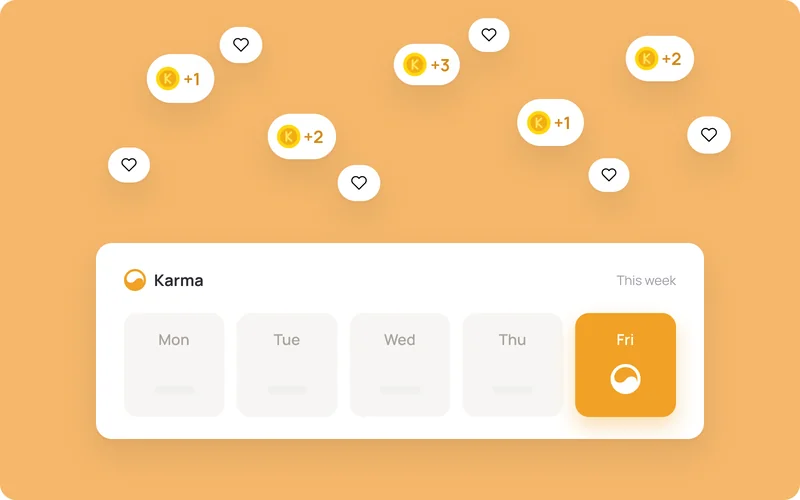
When this work goes unseen for too long, people feel it doesn't matter. A weekly moment to notice it tells the whole team that every kind of contribution counts.
How to run it
- Pick a day. Choose one day a week, for example Wednesday, when the team looks back at the quiet work.
- Share examples. In the first post, list the kind of work you mean, so people know what to look for.
- Thank one person. Each teammate sends karma to someone for a piece of behind-the-scenes work and says what it was.
- Say why it mattered. "Your review caught a bug before release" means more than "thanks for the review".
- Repeat weekly. After a few weeks, people start noticing this work on their own.
Examples of behind-the-scenes work
- Code reviews and careful testing
- Writing or updating documentation
- Answering questions in shared channels
- Helping a new hire find their way
- Taking notes and sharing them after a meeting
- Fixing small things nobody asked to fix
- Handling a difficult customer request
- Keeping tools, files and processes in order
Message templates
Weekly kickoff
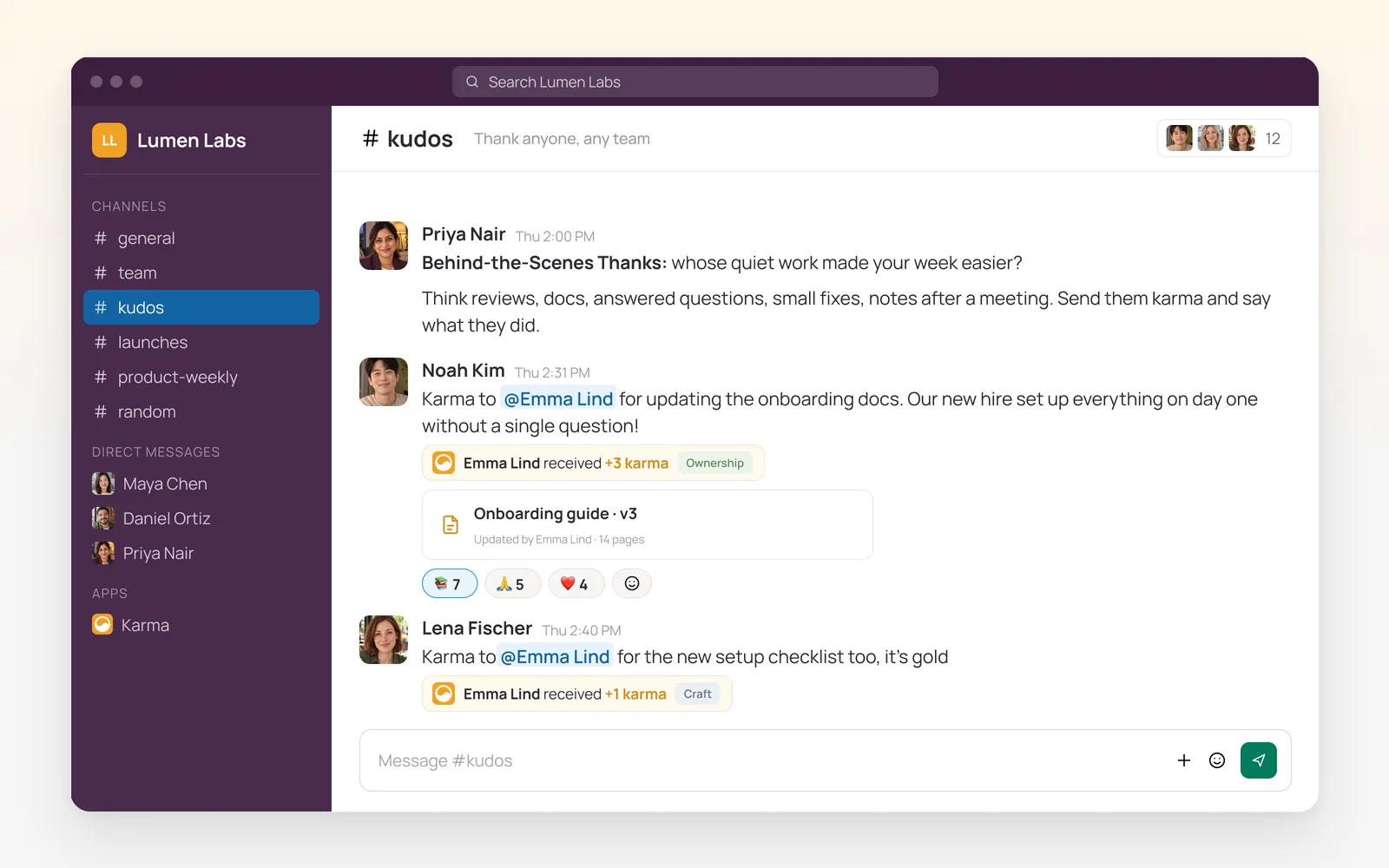
Behind-the-Scenes Thanks: whose quiet work made your week easier?

Think reviews, docs, answered questions, small fixes, notes after a meeting. Send them karma and say what they did.
Example of a good thank-you
Karma to [Name] for updating the onboarding docs. Our new hire set up everything on day one without a single question!
How Karma helps
With Karma, quiet work gets public recognition tied to a company value, such as ownership or teamwork. Everyone sees it, including people who never knew this work was happening. Learn more about peer recognition in Karma.
How to measure
After a month, check in Culture analytics:
- whether people in support, operations or other less visible roles receive more karma;
- which values come up in behind-the-scenes thanks;
- how many people take part each week.
Common mistakes
- Vague thanks. "Thanks for all you do" is kind, but name the specific task.
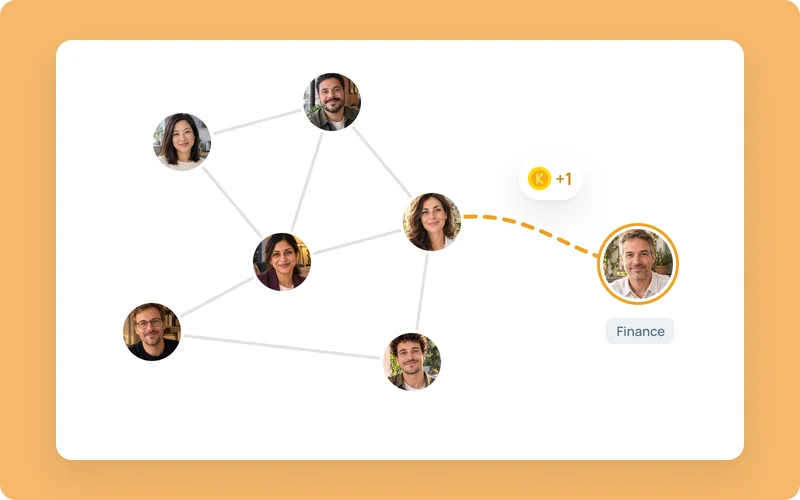
- Only thanking your own team. Some of the most important quiet work happens in other teams.
- Making it a performance review. It's about noticing, not grading.
Frequently asked questions
Isn't this work just part of the job?
Yes, and that's why it's easy to overlook. Recognizing it doesn't mean it's extra, it means it matters.
How is this different from regular thanks?
It focuses attention on a specific kind of work. Without this nudge, most thanks go to visible results.

 Karma for Web
 Karma for Slack
 Karma for MS Teams
 Karma for Telegram