


How Sliday Built a Lasting Culture of Appreciation with Karma
Recognition That Works Across Time Zones

Sliday is a digital agency founded in 2009 in New Zealand
With a distributed team of over 20 specialists across Asia and Europe, Sliday helps companies turn complex ideas into reliable, well-crafted digital solutions.
23
Digital Agency
Globally
2009
The Challenge of Showing Appreciation Remotely
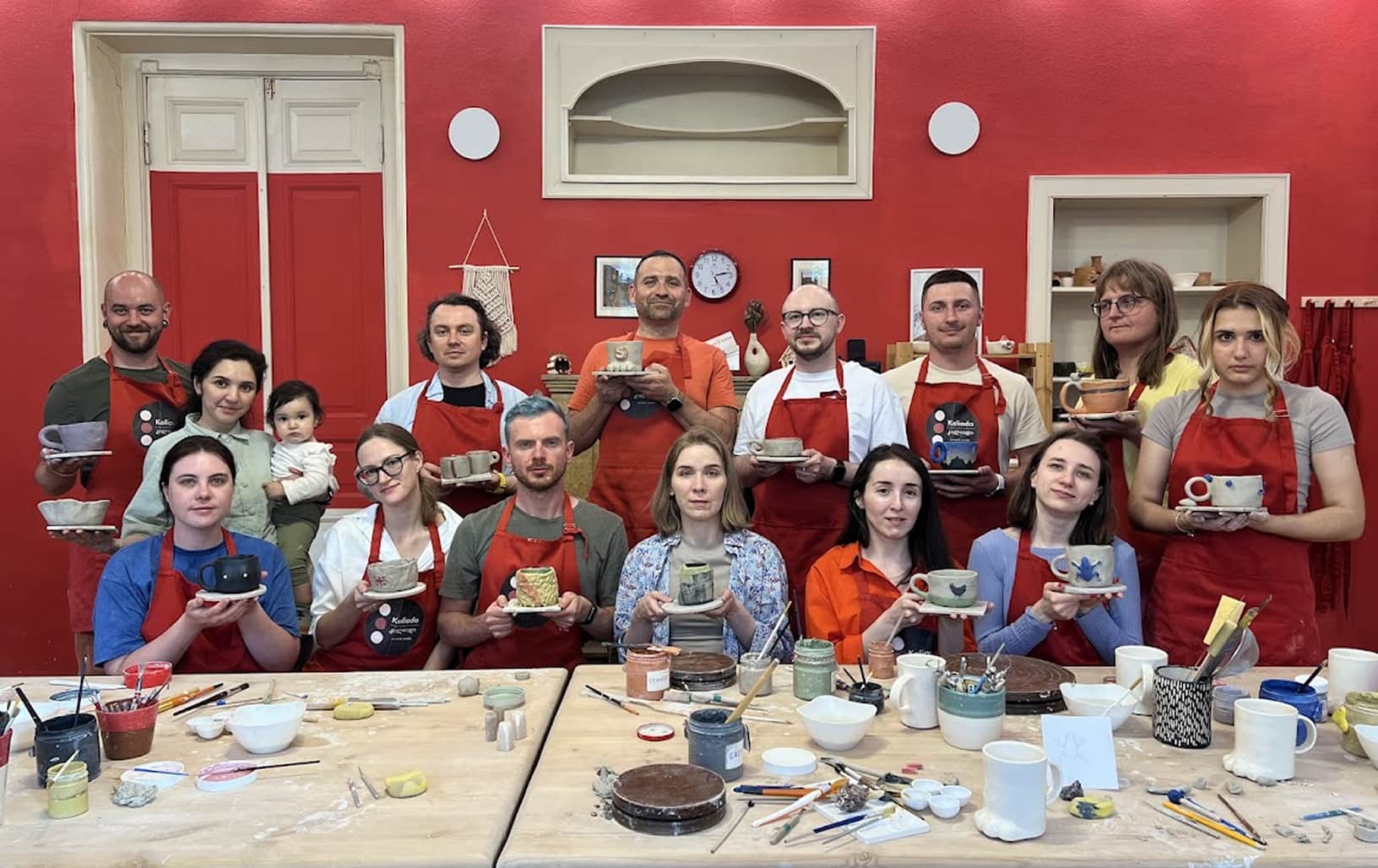
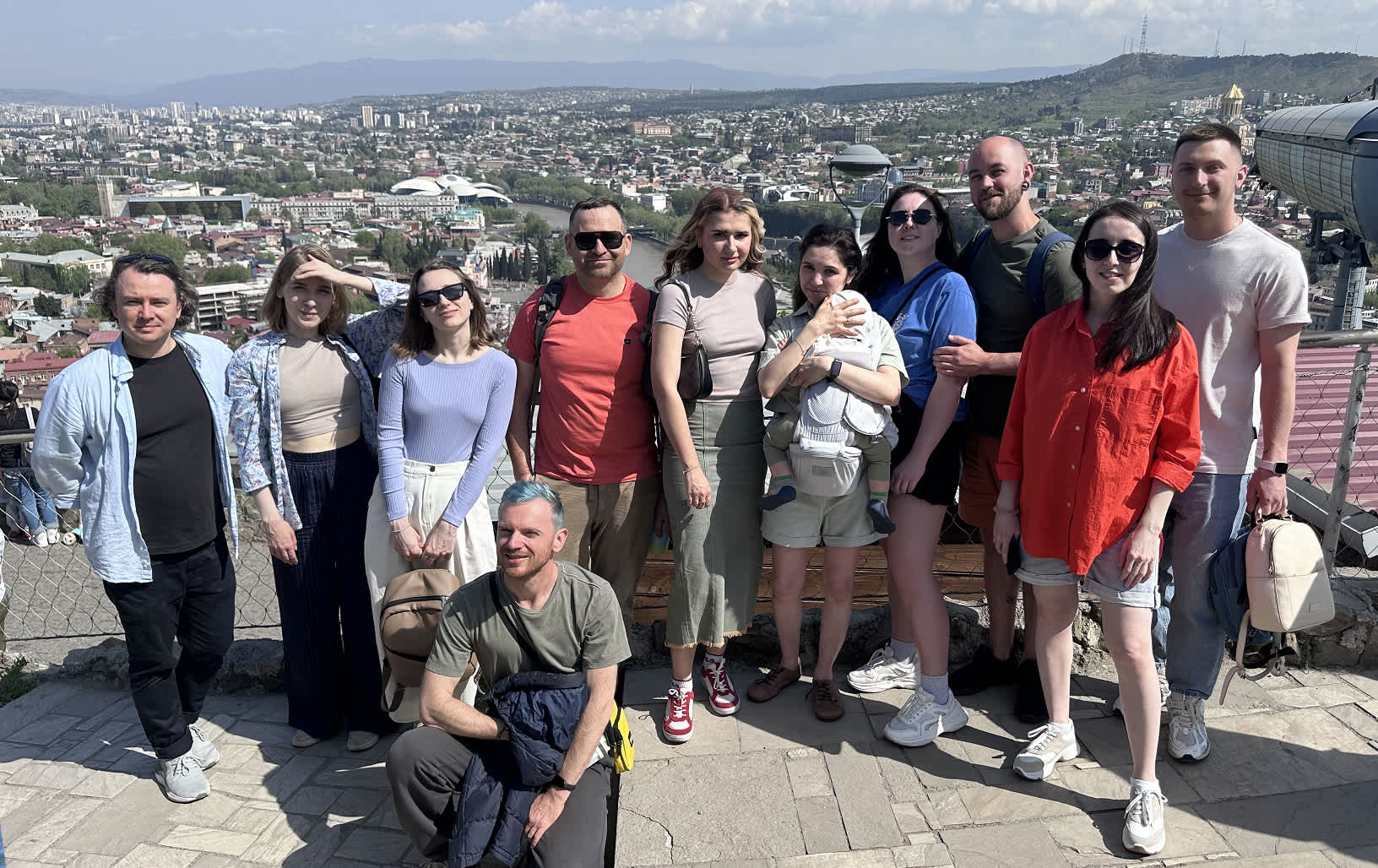
What started as a small local team has grown into a fully distributed company with more than 20 professionals working across Asia and Europe. After several years operating from an office in Auckland, Sliday closed its physical location at the start of Covid-19 and transitioned entirely to remote work. Remote collaboration is now the foundation of how the company operates, but it also introduced new cultural challenges.
In an office environment, recognition often happens naturally through small, everyday interactions. In a remote setup, those moments can easily disappear. As CEO David explains, “you can’t tap a colleague on the shoulder and say a meaningful ‘thank you’ when you’re fully remote,” which made it clear that appreciation needed to be more intentional and visible. David points out that the real risk wasn’t just lower motivation, but people starting to feel unseen. Sliday needed a way to recognise good work consistently and make appreciation part of daily communication rather than an afterthought.
Karma addressed this by combining simple thank-you messages with tangible rewards, helping recognition feel both genuine and motivating.
 15k+Karma points issued
 260Rewards redeemed
 95%Active users
 570+Achievements received
Why Sliday Chose Karma
Slack was already at the centre of Sliday’s workflow, so any recognition tool had to integrate seamlessly. Karma fit naturally into Slack and offered the flexibility the team was looking for, from custom brand colours to company values and tailored rewards. David recalls that when Sliday first started using Karma, “there weren’t many alternatives at all,” which made the decision straightforward at the time. Instead of switching tools over the years, Sliday stayed with Karma and watched it evolve alongside the company.

Setup was incredibly simple — as soon as we added Karma to Slack, the whole team could start using it immediately.

A Smooth Start with Immediate Adoption
Getting started with Karma was effortless. There were no accounts to create, no invitations to send, and no onboarding sessions to organise. As David describes it, “setup was incredibly simple — as soon as we added Karma to Slack, the whole team could start using it immediately.”
Because recognition happened directly in Slack, giving coins to individuals or groups felt natural and fast. Karma became part of everyday conversations rather than a separate system people had to remember to use.
Stronger Relationships and Higher Motivation
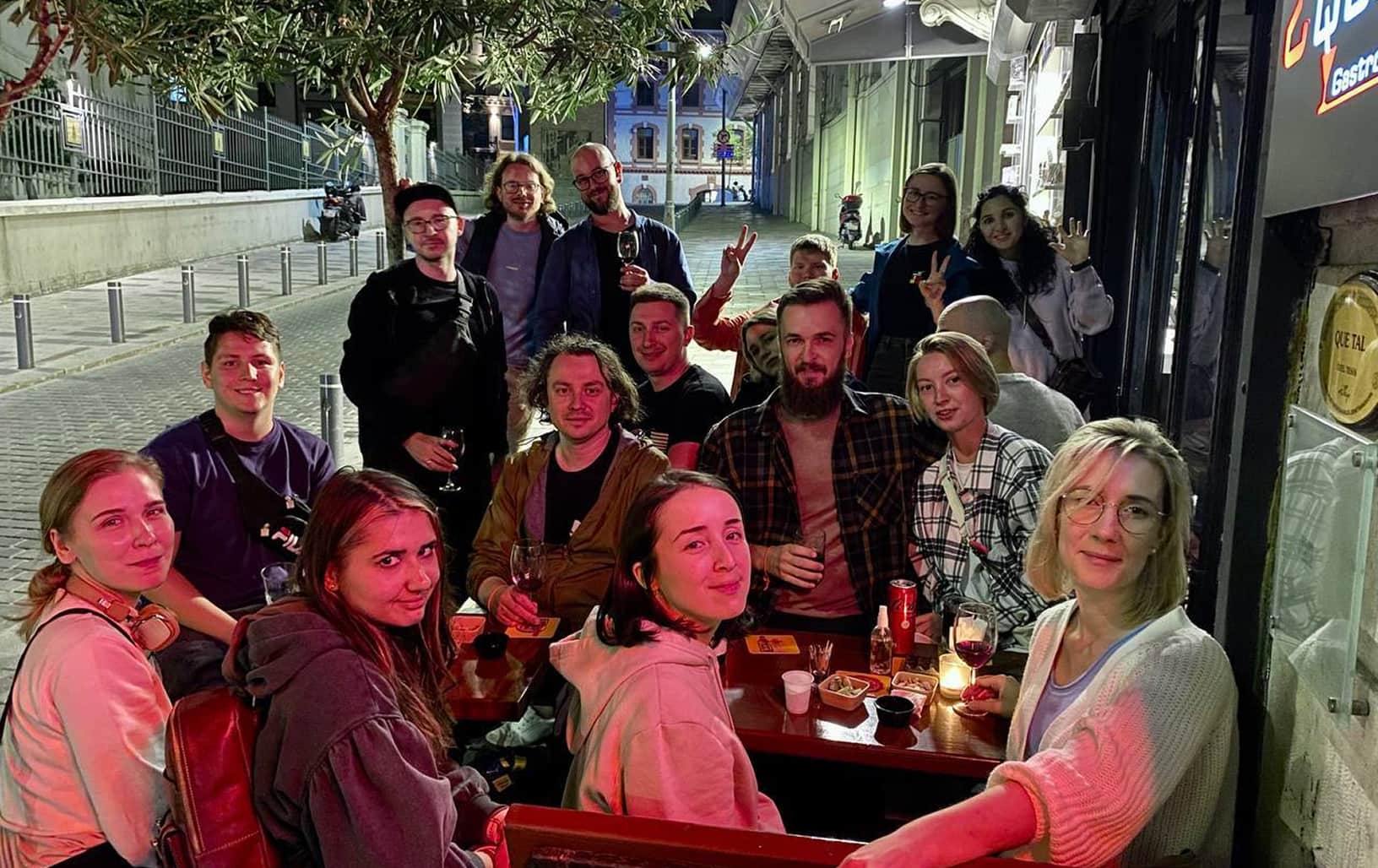
Over time, Karma began to subtly reshape how the team interacted. David noticed that people became more open with one another, explaining that “team members were no longer just Slack usernames with profile pictures — they became colleagues who exchange meaningful feedback and genuinely celebrate each other’s successes.”
The reward system added another layer of motivation. Earning coins and being able to redeem them for real rewards encouraged people to contribute more and focus on quality. From a leadership perspective, David values the analytics because they show “which company values resonate most, who gives the most recognition, and who receives it,” offering a clearer picture of team morale and dynamics.
Rewards Designed for a Global Team
As a remote company spread across multiple countries, Sliday found physical rewards difficult to manage. Instead, the team focused on monetary rewards that allow people to convert their Karma coins into real money. These quickly became the most popular option.
Even new people feel welcomed right away, which makes settling into the team much easier.
Unexpected Results Beyond Motivation
While Sliday initially adopted Karma to boost motivation and productivity, the biggest surprise was its impact on relationships. David observed that new hires feel appreciated almost immediately, saying that “even new people feel welcomed right away, which makes settling into the team much easier.”
Over time, this sense of appreciation also contributed to stronger retention. Sliday has been using Karma for nearly a decade, through growth and uncertainty, and during that time the company hasn’t seen anyone leave in more than two years. In David’s words, “Karma may seem like a small addition to company culture, but it plays a meaningful role in helping people feel valued and recognized at work.”
Lessons Learned Along the Way
Not every experiment worked perfectly. Early on, Sliday tested a system that included negative karma, where people could lose points instead of earning them. That approach was quickly abandoned. The team realised that recognition works best when it stays positive and encouraging, and that rewarding good work builds trust far more effectively.
A Simple Recommendation from the CEO
Looking back, David’s advice to other companies is clear and direct. “Don’t overthink it,” he says. “If you feel your team needs a boost in productivity, motivation, or morale, you probably do. Karma is simple, straightforward, and it just works.”
Other stories
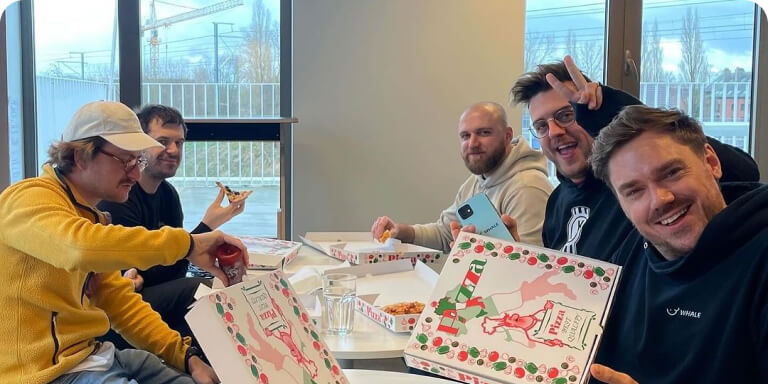
Karma in Action: Whale's Journey to Enhanced Team Recognition
How a Chatbot Became the Heartbeat of Employee Engagement

Documentation
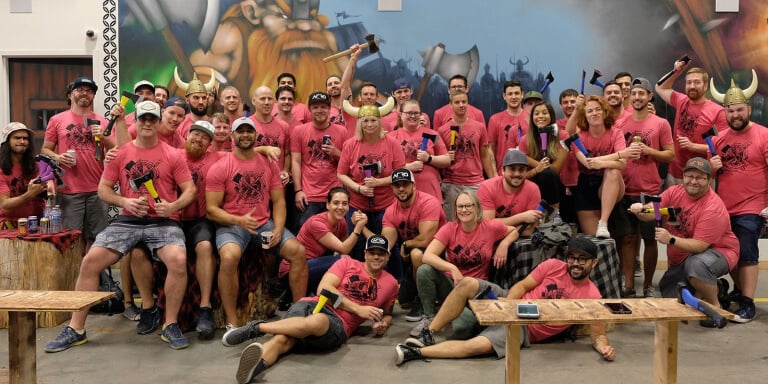
How Acro Commerce Strengthened Remote Team Culture with Karma
Keeping Remote Teams Motivated with Seamless Recognition and Feedback
E-Commerce
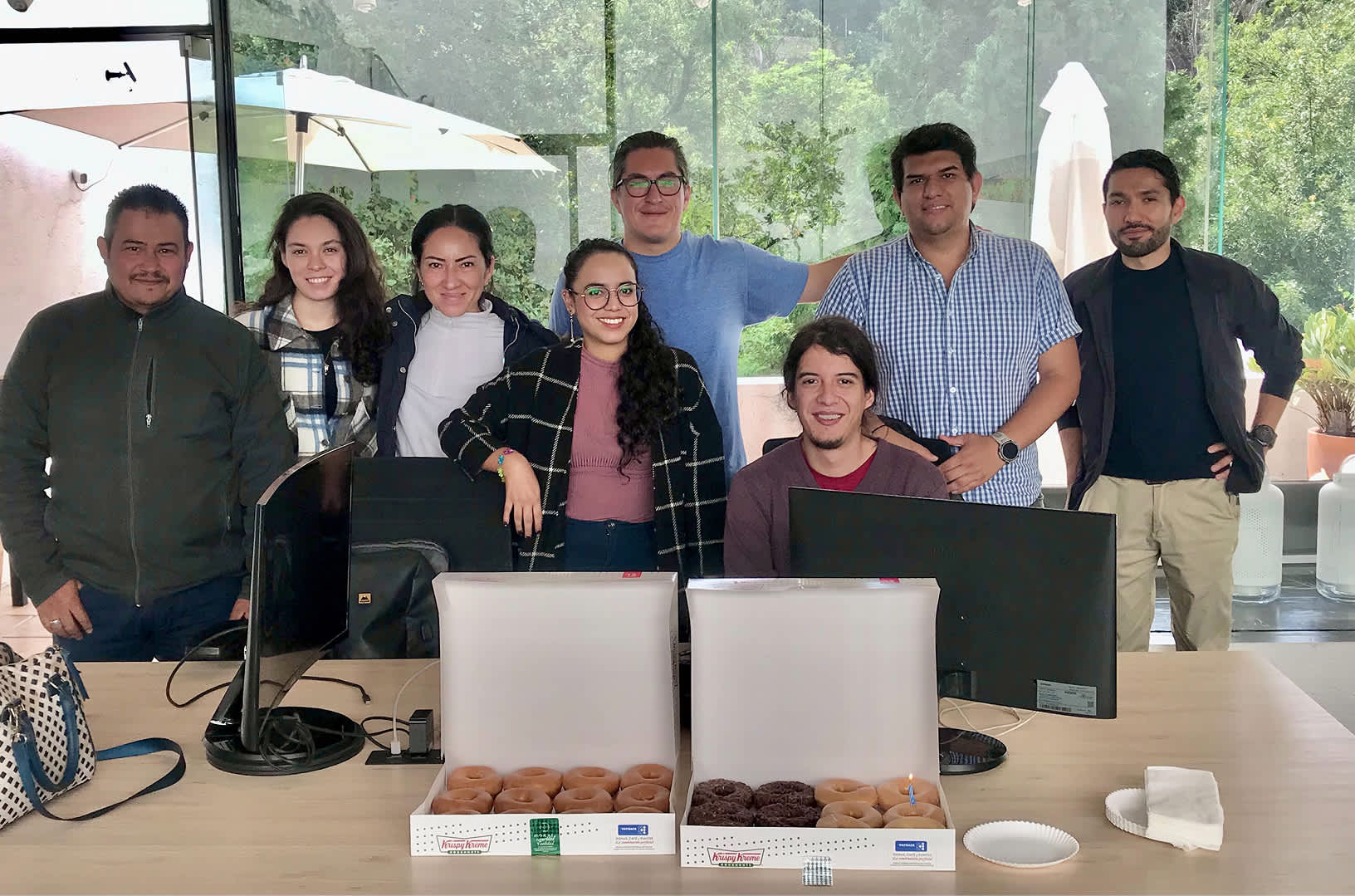
Strengthening Team Bonds with Karma: Lexema's Success Story
Enhancing Team Recognition and Engagement in a Hybrid Workplace
Marketing
Ready to get started?
If you're ready to get started with Karma, sign up now and explore the benefits of the recognition for your team.
 Karma for Web
 Karma for Slack
 Karma for MS Teams
 Karma for Telegram