


From Skepticism to Ritual: How Karma Shaped Remote Team Culture
Zoltan Bettenbuk on Building a Recognition System That Fits Remote Life and Actually Gets Used

Scraper API is a platform for large-scale web data extraction
The company serves clients in industries like e-commerce and search analytics, handling proxy management, CAPTCHAs, and geo-targeting.
25
Data Services
Global
Start-up
A Habit Born From Experience
When Zoltan Bettenbuk took over leadership at Scraper API and Timebutler, he brought with him a cultural insight from his time at Atlassian: simple, peer-to-peer kudos systems can go a long way. Building team spirit remotely is hard, and he wanted to get it right from the start.
At Atlassian, the team used a system on Slack to give each other recognition. And the effect stuck with him. When he began building out remote teams under saas.group, it felt natural to look for a similar tool.
He explored a few, but Karma stood out. “I really liked this automated gift card feature,” Zoltan said. “I could set up the exact type of rules that I would need to use in order to make an incentive system that comes with some payment requirements, make it safe.”

I really liked this automated gift card feature

 10,980Karma points issued
 185Rewards redeemed
 90%Active users
 434Achievements received
Turning Skeptics Into Advocates
The challenge wasn’t the tool — it was the culture. Engineers in particular were cautious. Some saw no value in “virtual money” or “worthless points.” Others went as far as asking to mute the notifications altogether. Rather than push back, Zoltan took a different route. He leaned into what would make Karma real. “I said: we really need to make it not worthless, not virtual. We need to use the gift card feature as soon as we could.”
That early decision mattered. By rolling out real, redeemable rewards —starting from the very first month — he built credibility. The team set up Karma in public Slack channels only. Recognition became part of the workflow, not a side activity. Automated gift cards made rewards real—and saved time. “Manually buying gift cards would be a hassle,” he noted.
One Platform, Two Teams, and an Edge Case
Everything went smoothly at first. But later, when saas.group migrated to Slack’s Enterprise Grid setup, the structure got complicated. Shared channels and multiple workspaces caused unexpected issues for Karma’s integration. “Karma had some issues managing the Enterprise plan,” Zoltan said. “Now we have multiple users and we have Slack channels that are shared across multiple workspaces.” He reached out to the Karma team, and they worked together on a fix. “Eventually these things got solved. So that was good.”
Rituals With Impact
Over time, Karma became more than a tool — it became a shared ritual. Team members marked birthdays with “karma showers,” giving recognition en masse. On Fridays, they’d clear out their weekly karma coins in another round of mutual praise. “It had a really positive effect on this 100% remote team’s mood,” Zoltan noted. Even those who resisted early on started giving and receiving karma more openly. “They actually started to use it actively. I see them redeeming cards too. They are happy when they receive points!”
The weekly leaderboard became a small source of fun. It offered no material gain, but it mattered. “They were really waiting for that to be sent on Slack, and then people made fun of that. I think that’s a really nice feature.”
Zoltan is confident that when his new initiative, SendStreak, reaches a similar scale, Karma will naturally become part of the culture—just like it did before.
They actually started to use it actively. I see them redeeming cards too. They are happy when they receive points!
Keeping It Simple, Scaling Rewards
Keeping things simple was intentional. While Karma offers options for team events and custom rewards, Zoltan opted to stay focused on one thing: gift cards. With no offices and no central HR admin, adding complexity wasn’t worth the tradeoff. Gift cards were the only rewards — and they were automated. “We really didn’t want to have anything in place that requires some extra tasks. We don’t have time,” Zoltan explained.
The team started with €20 cards—1 karma coin per euro. But to make the system more meaningful long-term, they introduced a large milestone reward: €1000 cards available for 600 coins. That meant anyone who saved their karma consistently could eventually earn something big. “People usually collected enough karma coins to get that every 1 to 2 years. It’s a nice extra boost.”
A Lasting Impression
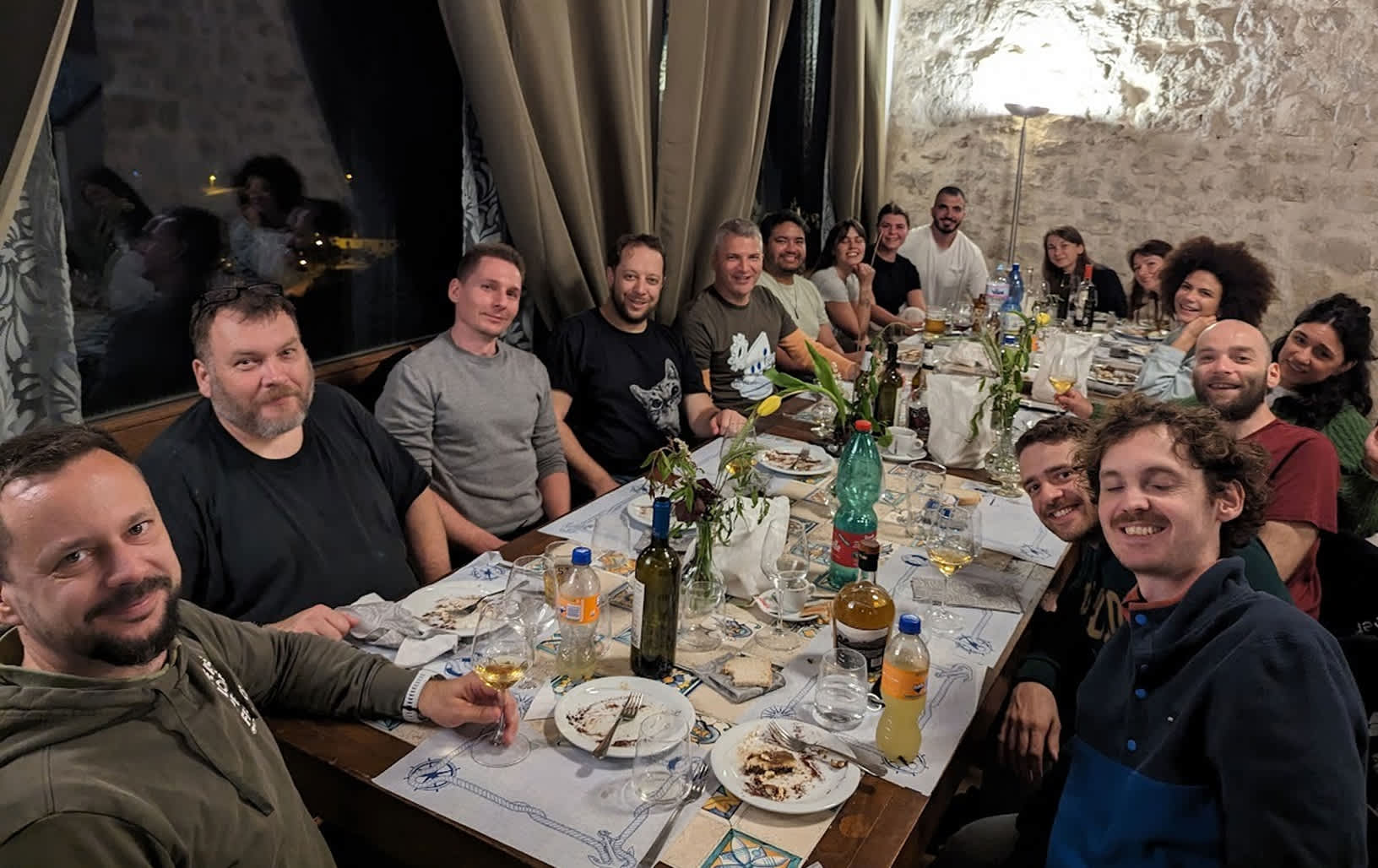
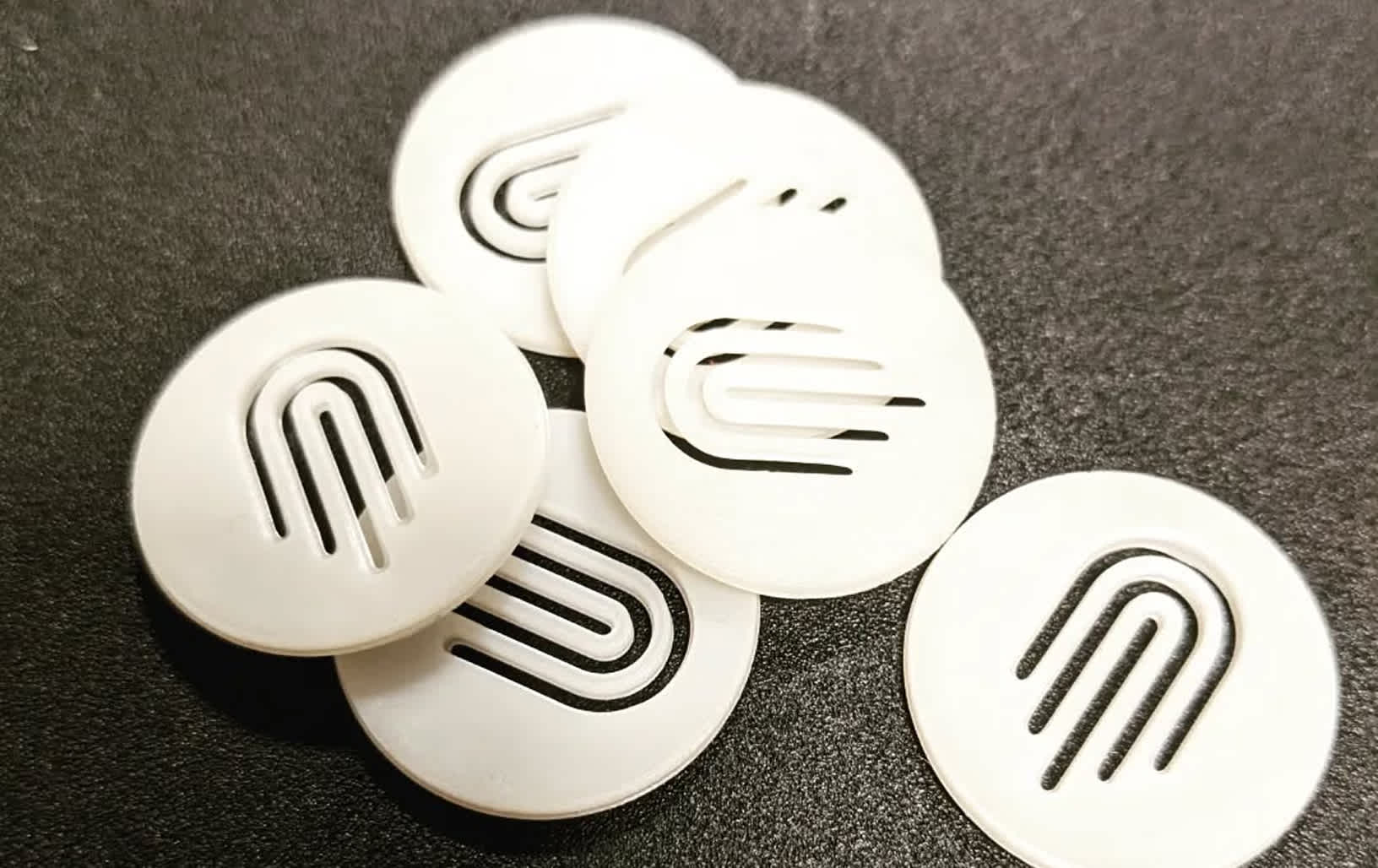
At one leadership offsite in Prague, Zoltan ran a workshop with peers who didn’t use Karma. He still wanted to reward participation—so he improvised. “I 3D printed karma coins. Coins with our saas.group logo. And I gave them out like in real life. It was very nice and even the managers enjoyed—especially giving out physical karma!”
That workshop didn’t need a dashboard, Slack integration, or automation. But it did need the same thing Karma always provides: the opportunity to appreciate people for showing up and making things better.
A Simple Message to Other Teams
Zoltan understands why some leaders might hesitate to introduce a tool like Karma—especially if it involves rewards that convert to real-world value. But his advice is simple: “Just start to use it and then you will see. People need to trust their teams. Start small. It will work out, or you will have a valuable lesson learned about your team”
Other stories

Karma in Action: Whale's Journey to Enhanced Team Recognition
How a Chatbot Became the Heartbeat of Employee Engagement

Documentation
How Acro Commerce Strengthened Remote Team Culture with Karma
Keeping Remote Teams Motivated with Seamless Recognition and Feedback
E-Commerce
Strengthening Team Bonds with Karma: Lexema's Success Story
Enhancing Team Recognition and Engagement in a Hybrid Workplace
Marketing
Ready to get started?
If you're ready to get started with Karma, sign up now and explore the benefits of the recognition for your team.
 Karma for Web
 Karma for Slack
 Karma for MS Teams
 Karma for Telegram