


How Acro Commerce Strengthened Remote Team Culture with Karma
Keeping Remote Teams Motivated with Seamless Recognition and Feedback

Acro Commerce is a Canadian E-Commerce Solutions company
We have been helping manufacturers navigate digital transformation since 1998
~80
E-Commerce
Canada
1998
The Challenge: Maintaining Engagement in a Remote World
Before 2020, Acro Commerce thrived in a traditional office setting where casual interactions, coffee breaks, and spontaneous conversations helped foster a strong team culture. When the company suddenly had to shift to remote work, it became evident that something was missing. “Remote work highlighted the challenge of maintaining team cohesion and addressing the feelings of isolation that arose from the absence of our established office environment.” recalls Nadia Bokhammas, Vice President of Operations. “Karma played a crucial role in fostering a sense of community and encouraging engagement amongst our distributed team.”To further enhance engagement, the company introduced Slack-based interest groups, from Dungeons & Dragons clubs to a vibrant cooking community and even a dedicated pet channel. Karma seamlessly integrated into these spaces, making appreciation and recognition feel natural rather than forced.

Karma played a crucial role in fostering a sense of community and encouraging engagement amongst our distributed team

 7,090Karma granted in the last year

 85%Active karma users

 256Rewards have been bought

 988Achievements received

Why Karma? Finding the Right Fit
In late 2022, Nadia explored various tools to boost team interaction. One option was a virtual coffee-pairing app, but it didn’t align with Acro Commerce’s team dynamics. “We’re a private bunch,” she explains. “Karma is more passive; you can sit at your computer, ping off quick encouragement, and acknowledge someone’s contribution without needing to engage in small talk.”Since adopting Karma, the company has seen an 85% adoption rate, with 67 active users regularly engaging with the tool. “Our middle management layer utilizes Karma a lot, and individual contributors check it out here and there” Nadia notes. “It depends on what’s going on. You can always tell when a product launch has happened because the next morning, there’ll be a ton of Karma going out!”
You can always tell when a product launch has happened because the next morning, there’ll be a ton of Karma going out!
Seamless Integration into Company Culture
Rather than treating Karma as an add-on, Acro Commerce embedded it into its existing processes. Performance reviews now include Karma-based recognition, where employees rank feedback as gold, silver, or bronze, with Karma points awarded accordingly. This system has encouraged meaningful, constructive feedback while reinforcing a culture of appreciation.
Team events also leverage Karma as a way to recognize contributions. During bi-annual company gatherings, employees receive Karma as rewards for outstanding work and participation, further cementing its role in company culture. Additionally, the HR and Finance blog features a dedicated Karma section, spotlighting top contributors each month and reinforcing company values. “Karma goes beyond just workplace chat—it takes a step further and makes it more personalized,” she adds.

Recognizing and Rewarding Employees
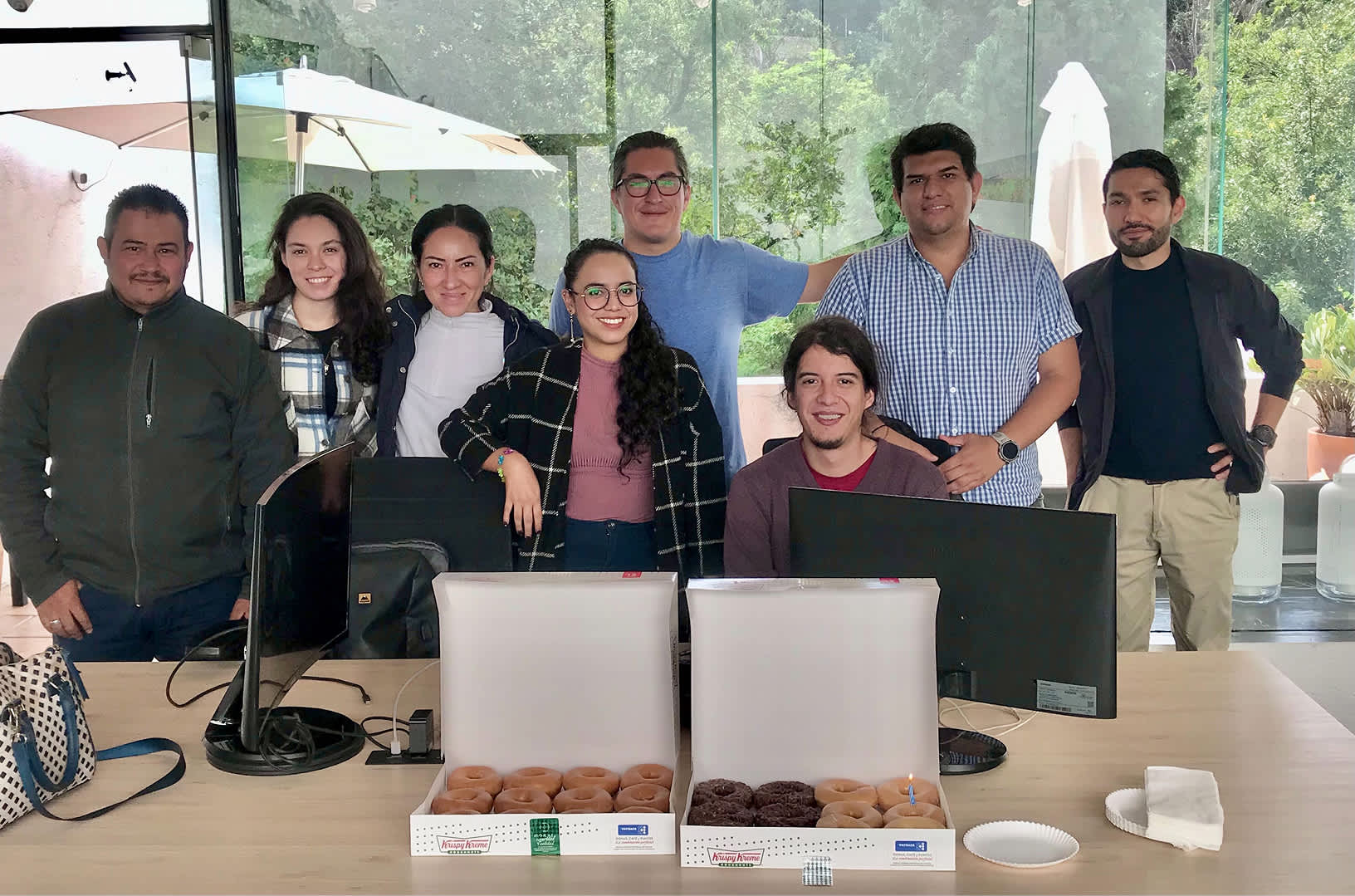
Karma’s reward system has been an essential motivator for employees. Many team members appreciate the flexibility in redeeming their points for rewards that suit their preferences. Gift cards remain the most popular choice, as they provide employees with the freedom to purchase what matters most to them. Food-related rewards, such as donuts and pizza, are also widely loved, fostering a sense of camaraderie among colleagues.
Books have become another favored option, offering employees opportunities for personal growth and learning. Interestingly, while Karma included options for training courses and professional development, employees rarely redeem them, as Acro Commerce has a separate program dedicated to learning initiatives.
Karma goes beyond just workplace chat—it takes a step further and makes it more personalized
Measurable Impact on Engagement and Morale
Since integrating Karma, Acro Commerce has observed a noticeable shift in workplace culture. Employees are more engaged in performance feedback, making their evaluations more balanced and thoughtful. Team morale has strengthened, especially after significant milestones such as product launches.
Karma’s reporting tools have also provided valuable insights into team dynamics. The ability to track top contributors and monitor appreciation trends has helped leadership identify strong performers and pinpoint areas that might need a boost in recognition. While it’s difficult to directly measure productivity gains, Nadia believes Karma has played a role in strengthening teamwork and collaboration.
Final Thoughts: A Tool That Strengthens Team Culture
Karma has proven to be more than just a recognition tool for Acro Commerce—it has become an integral part of their team culture. By embedding recognition into daily workflows, the company has fostered a stronger sense of appreciation and engagement among employees. The ability to acknowledge contributions effortlessly has helped maintain morale in a remote-first environment, making team members feel seen and valued.
Nadia believes that any company looking to enhance engagement should consider Karma as part of their strategy. “If you’re experiencing reduced morale or productivity, Karma is a great starting point.” With its ability to track engagement, reinforce core values, and create meaningful connections, Karma continues to play a crucial role in Acro Commerce’s evolving workplace culture.
Other stories

Karma in Action: Whale's Journey to Enhanced Team Recognition
How a Chatbot Became the Heartbeat of Employee Engagement

Documentation
Strengthening Team Bonds with Karma: Lexema's Success Story
Enhancing Team Recognition and Engagement in a Hybrid Workplace
Marketing

How Alef Education Fosters Team Recognition with Karma
Boosting Collaboration and Motivation Through Meaningful Peer Appreciation
E-Learning
Ready to get started?
If you're ready to get started with Karma, sign up now and explore the benefits of the recognition for your team.
 Karma for Web
 Karma for Slack
 Karma for MS Teams
 Karma for Telegram